The origin of food: rice
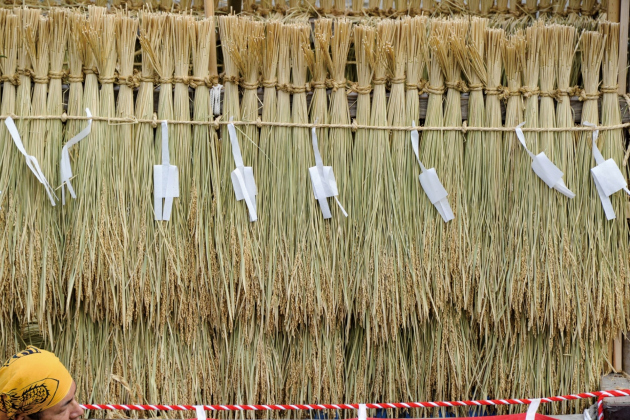
Unique breeding to suit the climate and soil
From Shima Time, Autumn 2020 edition
At Ise Grand Shrine, the "Higoto Asayu Omikesai" ceremony, in which rice, water, and salt are offered to Amaterasu Omikami and the other deities of the two shrines (Geku and Naiku), has been held twice a day, morning and evening, for approximately 1500 years without fail. The Kannamesai festival, held every October, is considered one of the most important of the many festivals at the shrine. It is the oldest and most historically significant festival, in which new grains such as rice are offered to Amaterasu Omikami and thanks are given for the harvest. In addition, at Izawa-no-miya, a sub-shrine of the Naiku in Shima City, one of Japan's three major rice planting festivals is held, and Shinto rituals are deeply rooted in the lives of the local people, such as when rice planting is performed to the accompaniment of dengaku (rice planting music). This time, we will visit rice farmers and researchers along with the two head chefs to convey the charm of "rice," the origin of Japanese food.
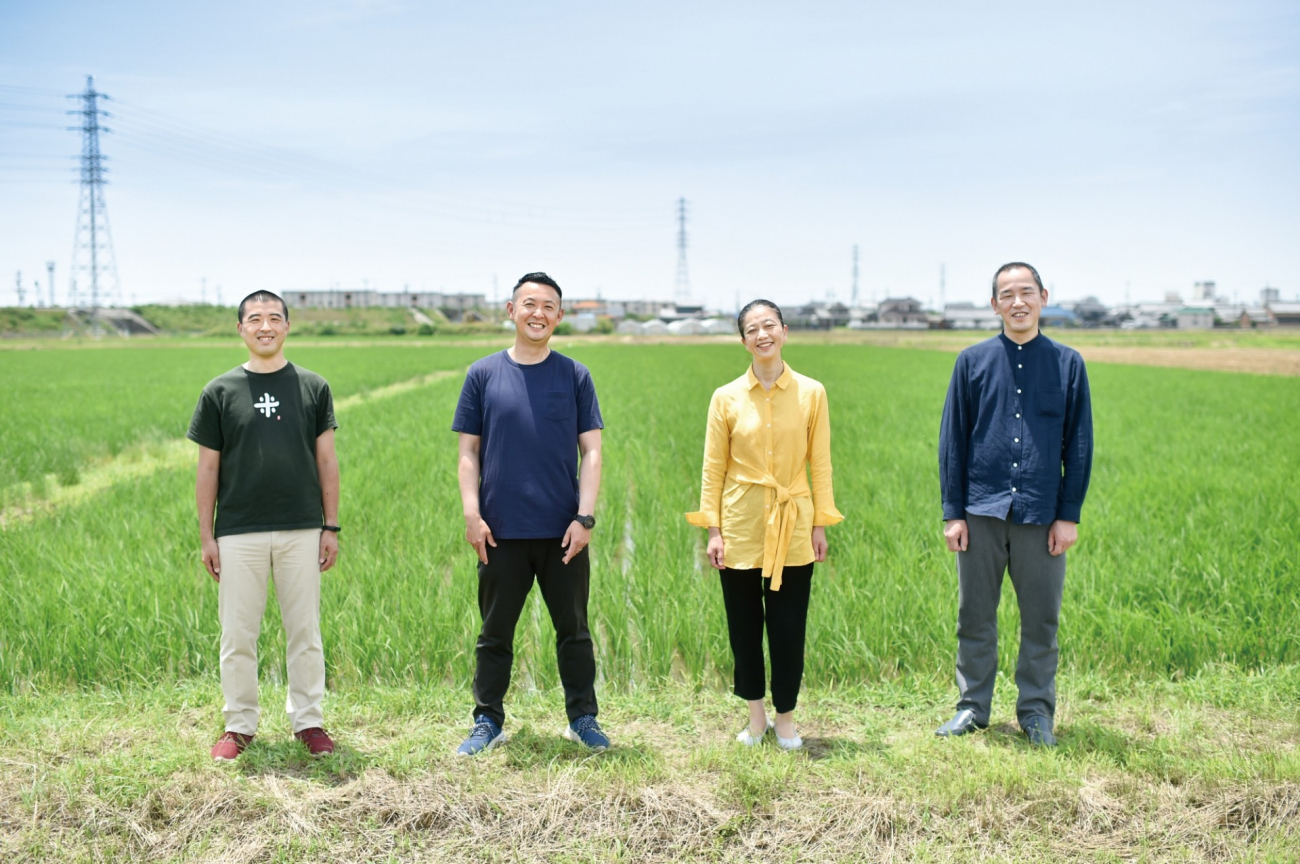
From left to right in the photo: Mr. Matsui from Mie Prefectural Government, Mr. Ota from Suzuka Tractor, Executive Chef Higuchi, and Executive Chef Tsukahara of Japanese Traditional Japanese.
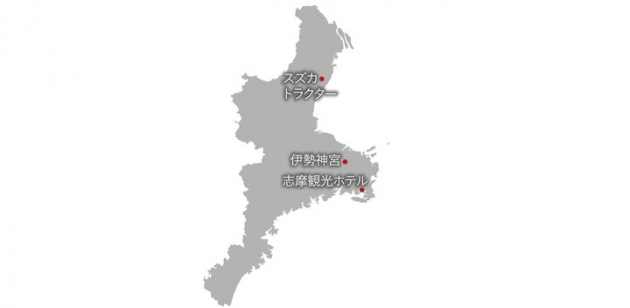
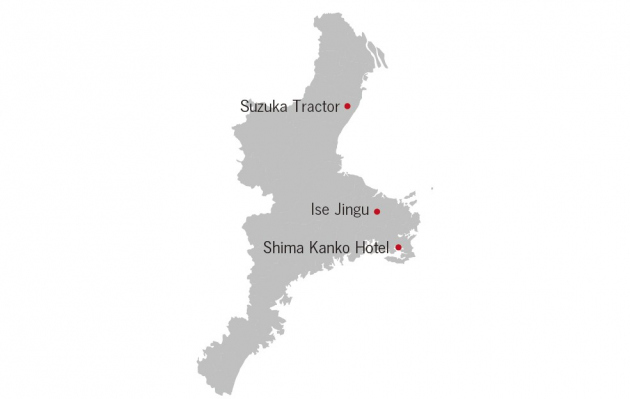
Located in the middle of the Ise Plain, Suzuka City relies on the abundant water flowing from the Suzuka Mountains to cultivate rice. We spoke with Mikio Matsui, an agricultural engineer at the Mie Prefectural Government's Agriculture, Forestry and Fisheries Department, and Sho Ota of Suzuka Tractor, a rice farmer.
We asked Mr. Matsui about the history of rice in Mie Prefecture. "In the Tokyo market during the Meiji era, a type of rice called 'Sekitorimai,' developed by rice farmers in Mie Prefecture, was popular as sushi rice. It was a high-quality rice that was resistant to strong winds and yielded a large harvest." Sekitorimai, along with the varieties Ise Nishiki and Takenari, were known as the "Three Rice of Ise," and because of the frequent coming and going of people due to pilgrimages to Ise Shrine, these three types of high-quality rice from Mie spread throughout the country through the hands of pilgrims.
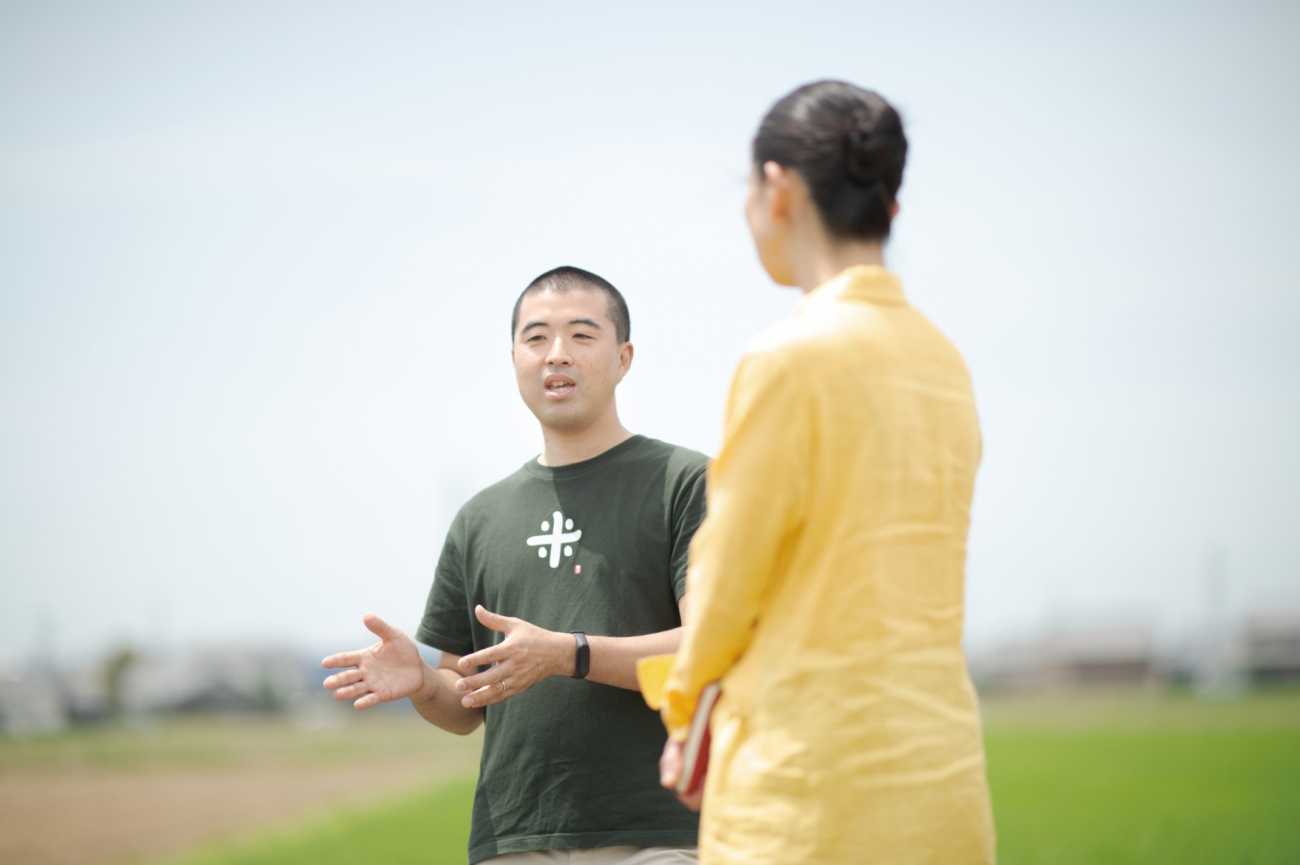
Mr. Matsui eats rice from all over Japan.
Even today, rice varieties are being improved, and in 2012, Mie Prefecture developed and commercialized a brand of rice called "Musubi no Kami." Mr. Matsui, who was involved in the development, said, "Koshihikari rice, which is produced in various parts of Japan, is characterized by its good taste. However, due to recent global warming, Mie Prefecture has faced challenges such as cloudiness in the rice, making it prone to breaking, and resulting in inconsistent quality." In this context, the development of "Musubi no Kami," which has short rice plants, is resistant to hot climates, and produces grains that are less prone to cloudiness, has brought joy to farmers in terms of cultivation and harvesting.
The name "Musubi no Kami" (God of Connections) is said to embody the desire for "connections" with people through food, local communities, and nature, as well as the wish that many people will be connected through "rice," starting with the dinner table.
The role of rice, the staple food of the Japanese people
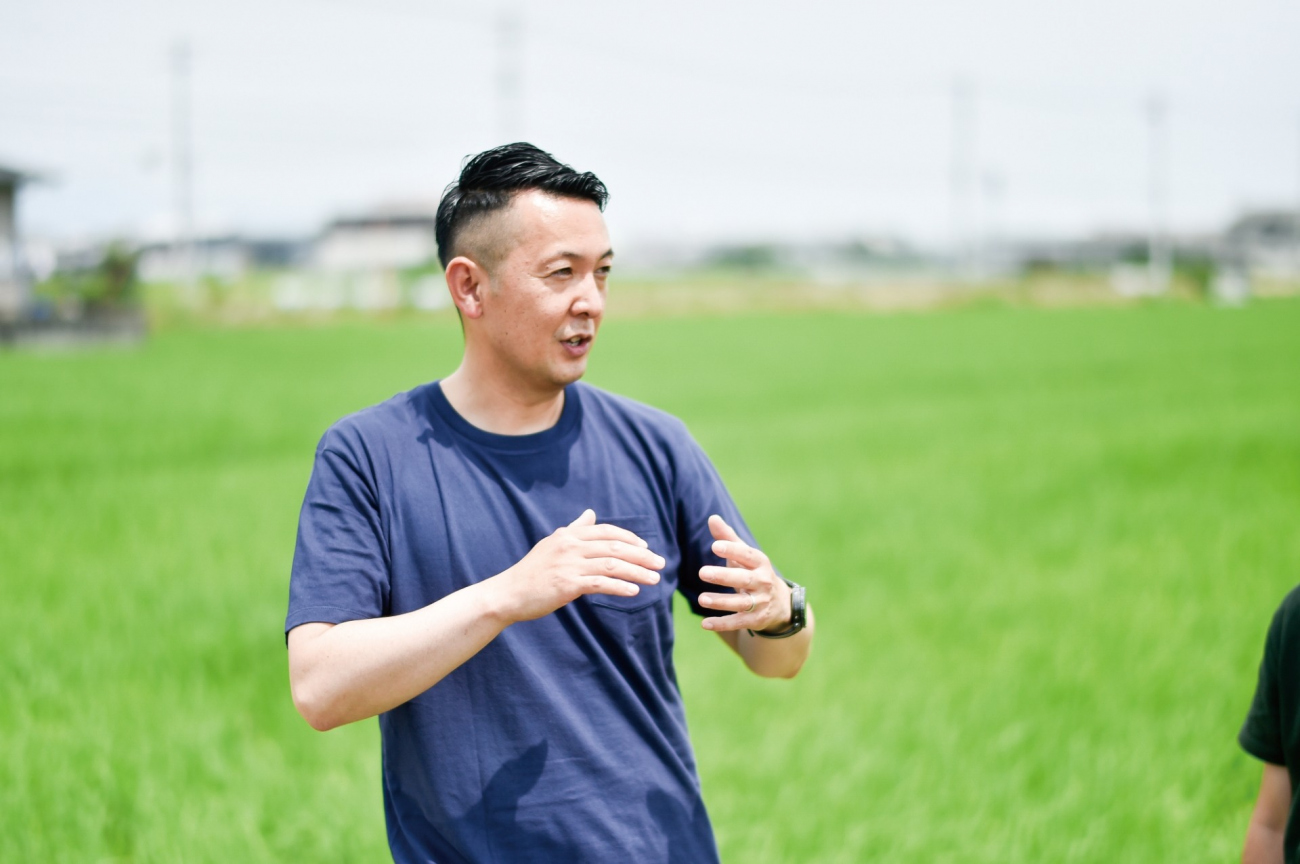
Mr. Ota talks about rice farming.
Mr. Ota, who is particular about rice varieties, cultivates "Musubi no Kami" rice in the prefecture's largest cultivated area of approximately 25 hectares, and also produces eight other types of rice, including domestic rice specifically for risotto. "At home, we use different types of rice depending on the dish, enjoying the difference in taste. For rice balls and bento boxes, we use 'Musubi no Kami,' which is chewy and delicious even when cold, and for fried rice, we use 'Kinuhikari,' which is less sticky," says Mr. Ota.
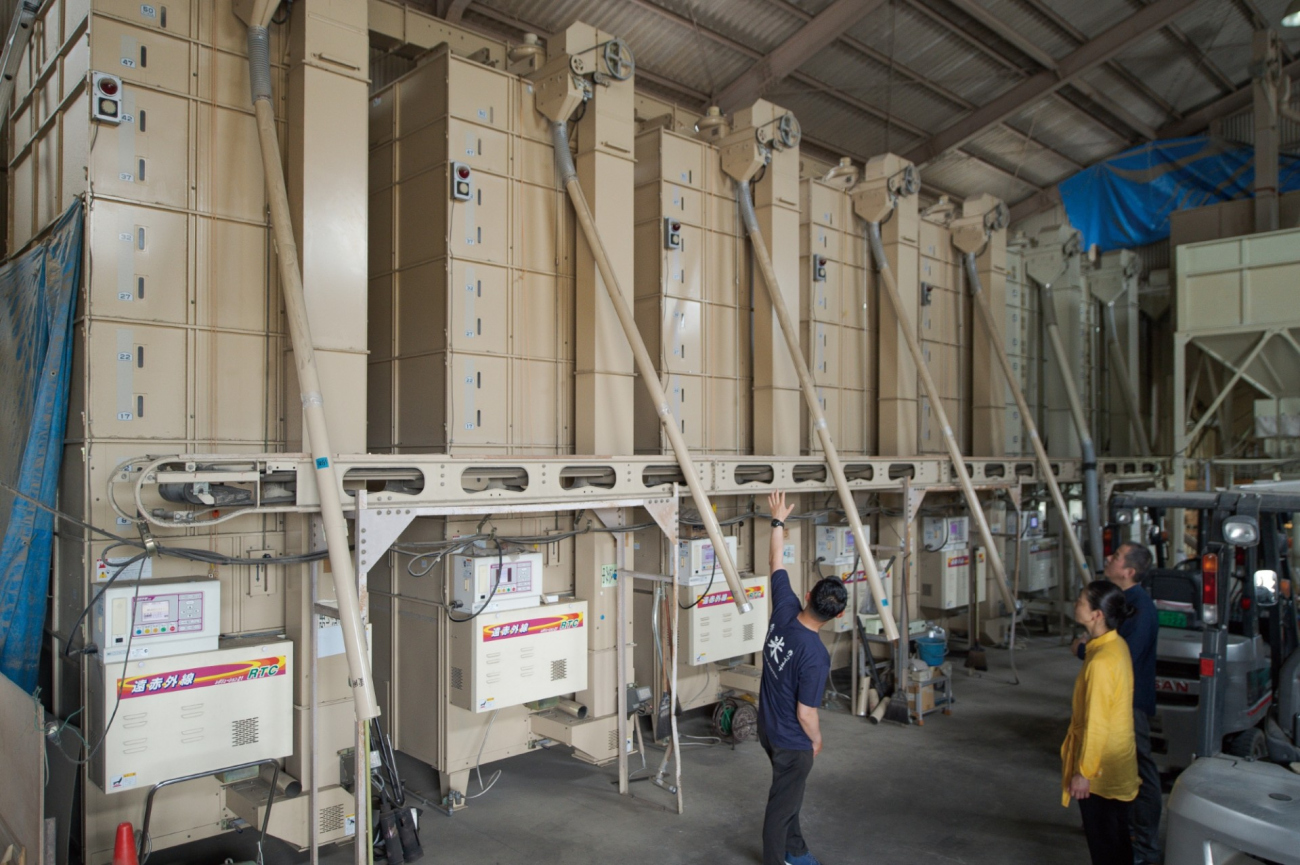
Mr. Ota explains the production process at his company's factory.
Although different rice varieties have different harvest times and require more effort, Mr. Ota is committed to cultivating multiple varieties because he wants everyone to be able to enjoy the taste of rice they prefer in today's world where people are eating less rice.
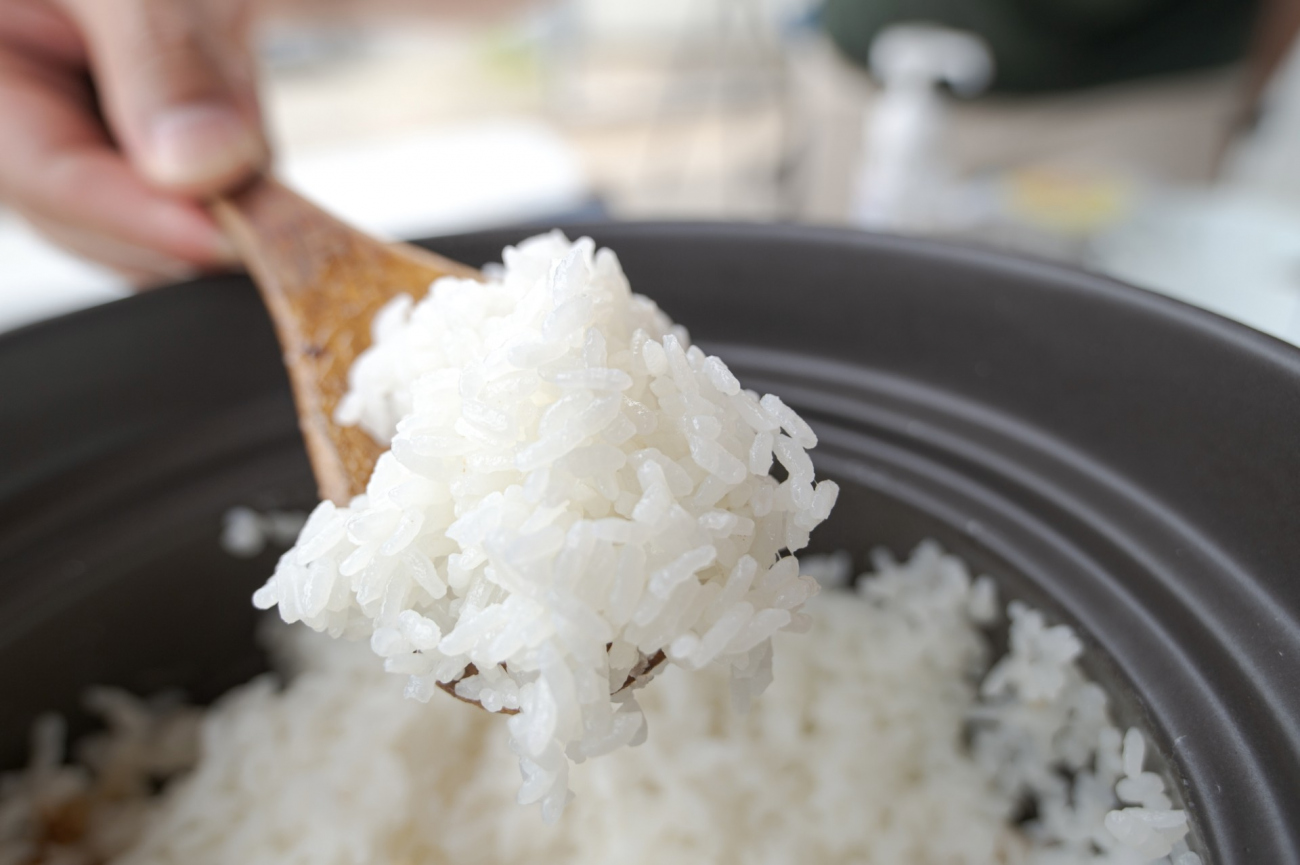
The finished "God of Connections"
While gazing at the rice paddies, they sampled "Musubi no Kami," rice cooked in a Banko ware earthenware pot, a traditional craft of Mie Prefecture. Executive Chef Higuchi commented, "The grains are large, and the texture and mouthfeel are excellent. It's not sticky, has a nice chewiness, and seems to go well with any dish." After hearing this, Matsui said, "We don't usually eat rice on its own, do we? I think it's important that the rice pairs well with the flavor of the dish."
Head chef Tsukahara of Traditional Japanese said, "In Traditional Japanese, it's said that it takes three years to master rice cooking and pickling, so it's very important to be able to cook rice properly. Above all, delicious rice enhances the overall satisfaction of the meal." Head chef Higuchi added, "Looking out at the rice paddies and savoring each bite of the rice, you can feel the bounty of the earth. Listening to the stories, I understood the charm of rice, the history behind it, and the feelings of the producers. Now it's our turn to convey this to our customers through our cuisine."
| Executive Chef Hiroe Higuchi | She joined Shima Kanko Hotel in 1991. In 2008, with the opening of Bay Suite, she became the chef of the French Restaurant “La Mer” In 2014, she was appointed Executive Chef of Shima Kanko Hotel, and in 2016, she was in charge of the working dinner at the Ise-Shima Summit. In 2017, she became the first woman and the first person from Mie Prefecture to receive the Bronze Award for Cuisine Masters Award from the Ministry of Agriculture, Forestry and Fisheries' Culinary Recognition Program. |
|---|---|
| Traditional Japanese executive chef Kyoji Tsukahara | He joined the Hakata Miyako Hotel in 1986. He trained at the Japanese restaurant "Shikitei", and in 1987 at the Miyako Hotel Osaka(now the Sheraton Miyako Hotel Osaka ) Japanese restaurants "Miyako" and "Uemachi". In 2016, he was involved in providing Traditional Japanese cuisine at the Ise-Shima Summit. In 2019, he was appointed Executive Chef of the Traditional Japanese cuisine at the Shima Kanko Hotel . |
"Shinsen Breakfast" - The rich flavors of the land of imperial cuisine
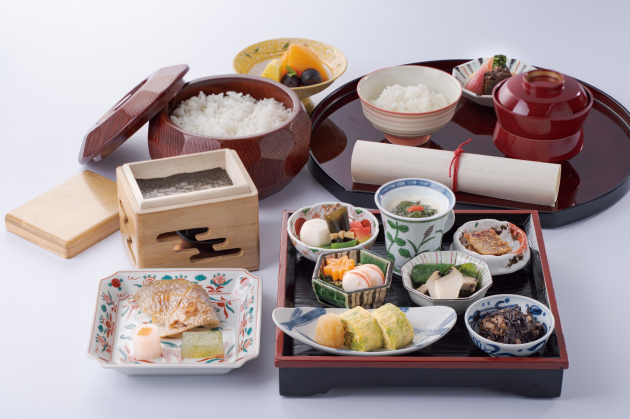
This special breakfast is inspired by "Shinsen," the food offered to the gods. It features seafood such as abalone, sea bream, and spiny lobster, which are also offered at the Ise Grand Shrine, as well as seaweed such as nori and hijiki, which are specialties of Toshi Island facing Ise Bay, all carefully prepared. The rice is "Musubi no Kami," a brand of rice from Mie Prefecture, which complements the dishes and enhances their flavors. Enjoying this breakfast in gratitude for nature's bounty and in a healthy mood is a moment of joy where the nourishment of the land nurtured by "Miketsukuni Shima" permeates your body.
*This is included in the "Special Breakfast Included Accommodation Plan".
| Japanese Restaurant “Hamayu” | the BAY SUITES 4F Lunch 11:30-14:30 (Entry until 13:00 / Private reservation only) Dinner 17:30-22:30 (last orders 20:30) |
|---|
"Shinsen Breakfast" - A meal prepared with gratitude for the ingredients.
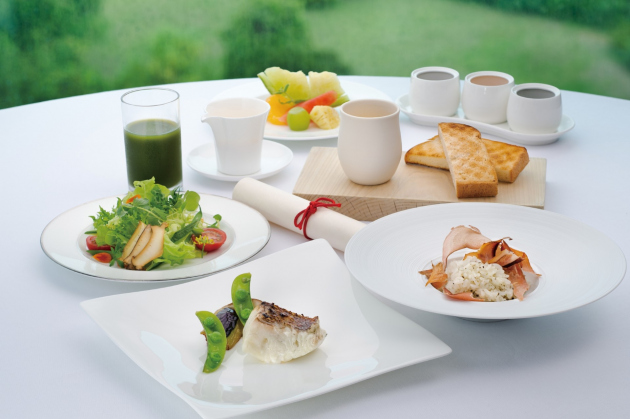
"Shinsen" are the daily offerings made to the gods at Ise Grand Shrine. Enjoy a refreshing morning slowly savoring each dish made with ingredients inspired by Shinsen, such as seafood, seaweed, sake, fruits, and vegetables. The rice is "Isehikari," a variety discovered in the shrine's rice fields. It is prepared as a risotto with "seven sea herbs" from Kuzaki in Toba, the production area of dried abalone offered to the shrine, and topped with bonito flakes from Nakiri, creating a gentle and wholesome flavor. With boundless gratitude for the daily blessings of nature.
*This is included in the "Special Breakfast Included Accommodation Plan".
| French Restaurant “La Mer” | the BAY SUITES 5F Lunch 11:30-14:30 (Entry until 13:00 / Private reservation only) Dinner 17:30-22:30 (last orders 20:30) |
|---|
Return to Feature Articles List
Shima Kanko Hotel quarterly magazine "Shima Time"
As the seasons change, Shima Kanko Hotel quarterly magazine, "Shima Time," introduces the four seasons of Ise-Shima through the local culture and abundant nature.