A new encounter between Japanese Traditional Japanese and gibier
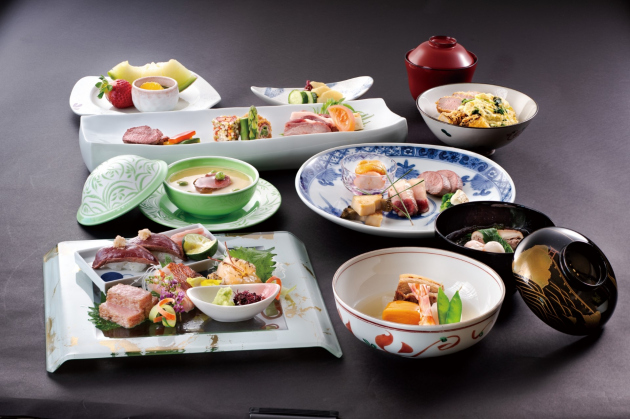
New menu item: "Ise-Shima Gibier Kaiseki"
From Shima Time, Spring 2020 issue
The culinary story of Traditional Japanese executive chef Kyoji Tsukahara
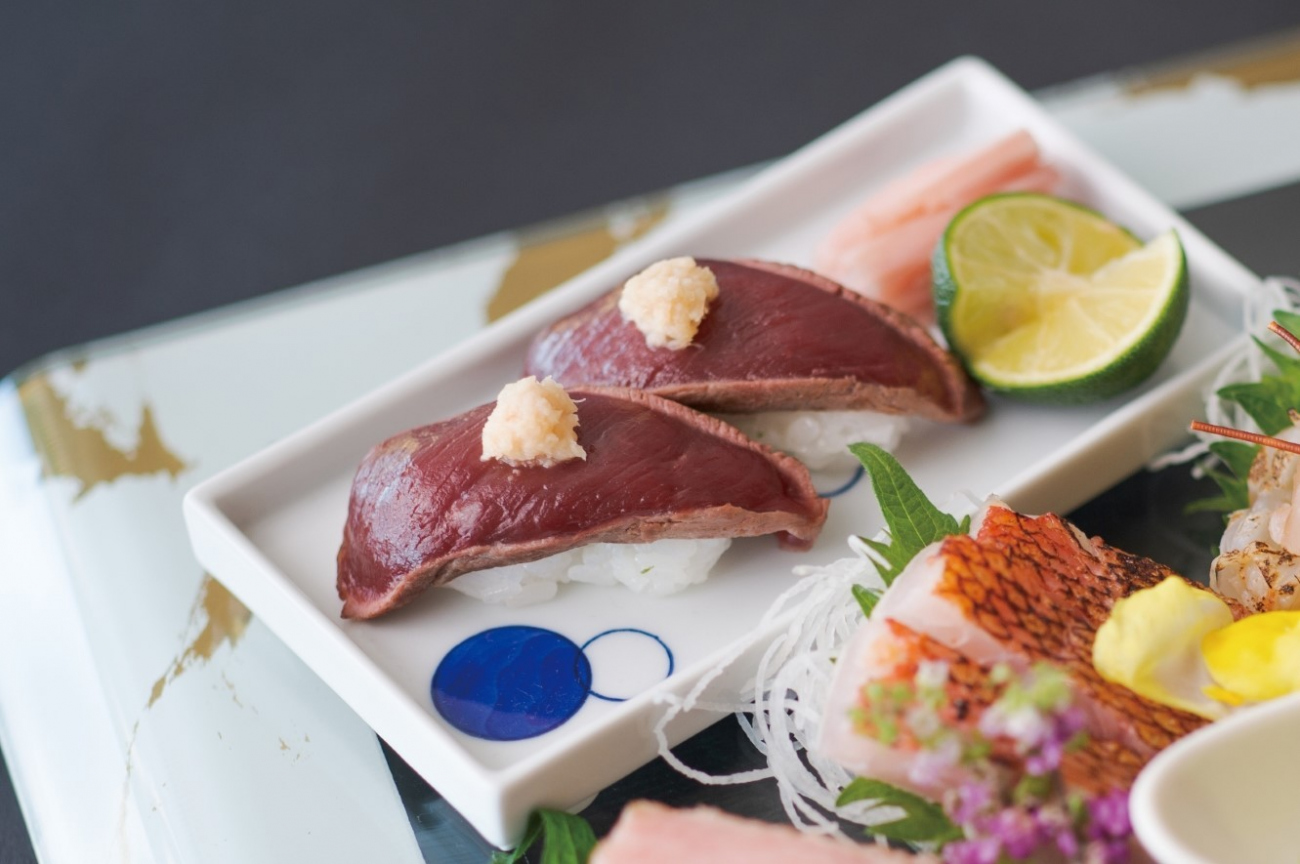
Venison nigiri sushi
The tender, mild-flavored loin of young venison is used for nigiri sushi. The umami is concentrated by curing with kelp, and the taste and aroma of ginger enhance the flavor.
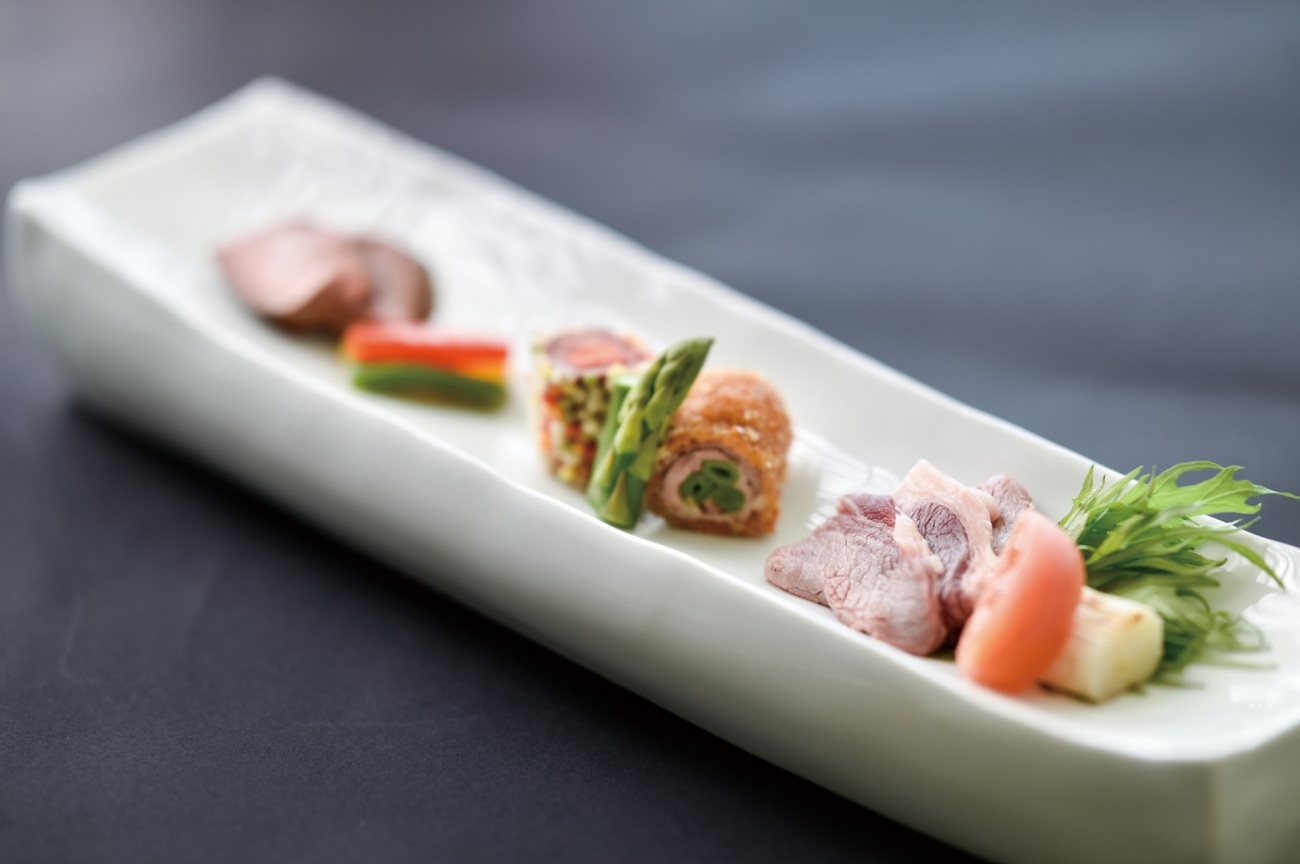
Boiled wild boar meat
The appetizer is wild boar meat that has been lightly blanched to remove excess fat. The venison is simply seasoned with salt and smoked to bring out the natural flavor of the meat. Each type of meat is wrapped in vegetables and deep-fried, among other preparations, to create a variety of flavors and textures for you to enjoy.
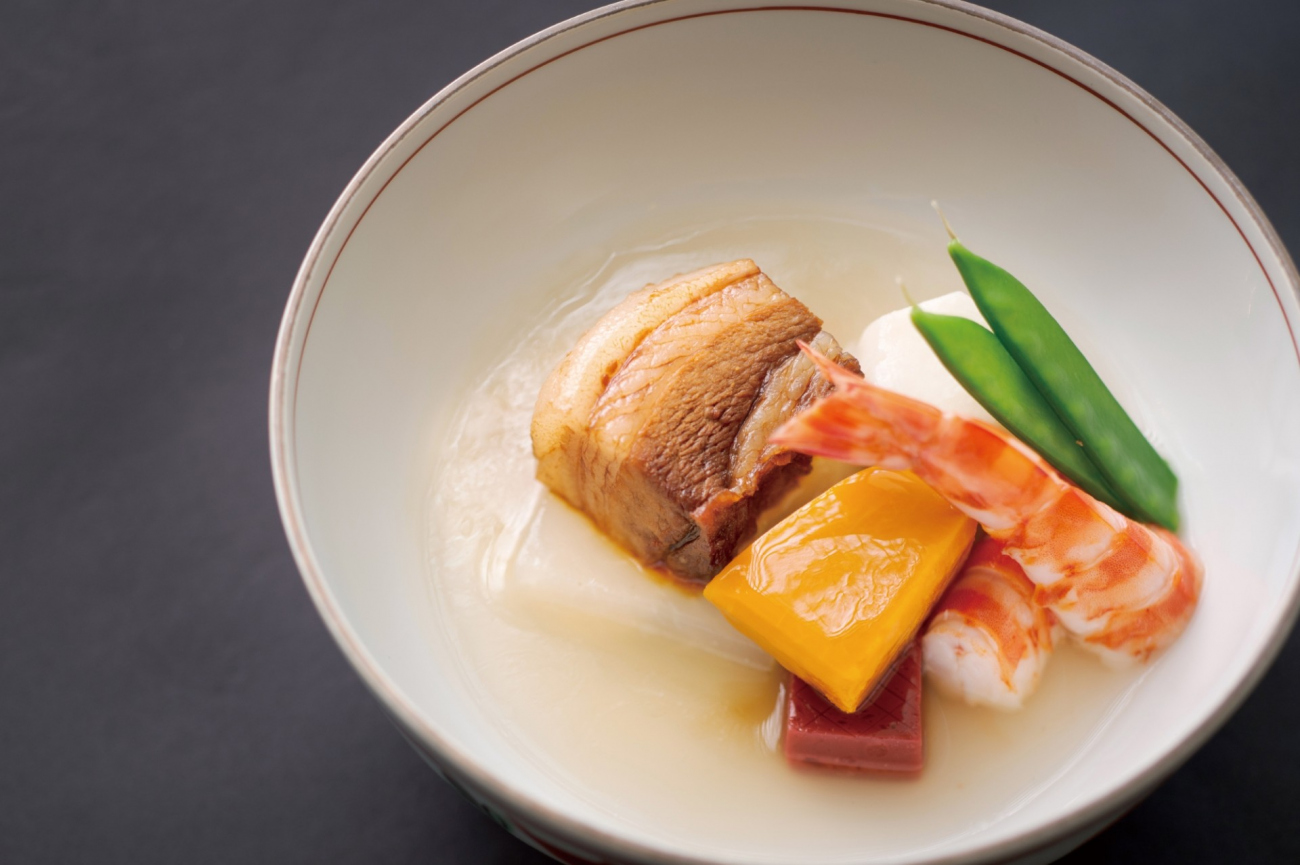
Braised wild boar meat
After boiling with vegetables, the wild boar meat is simmered further with bonito flakes and seasonings, resulting in a tender and juicy dish that allows you to fully enjoy the balance of meat and fat, as well as its delicious flavor. For the salt-grilled version, which allows you to savor the straightforward taste of the meat, we added spiny lobster and abalone to create a dish that is uniquely Ise-Shima.
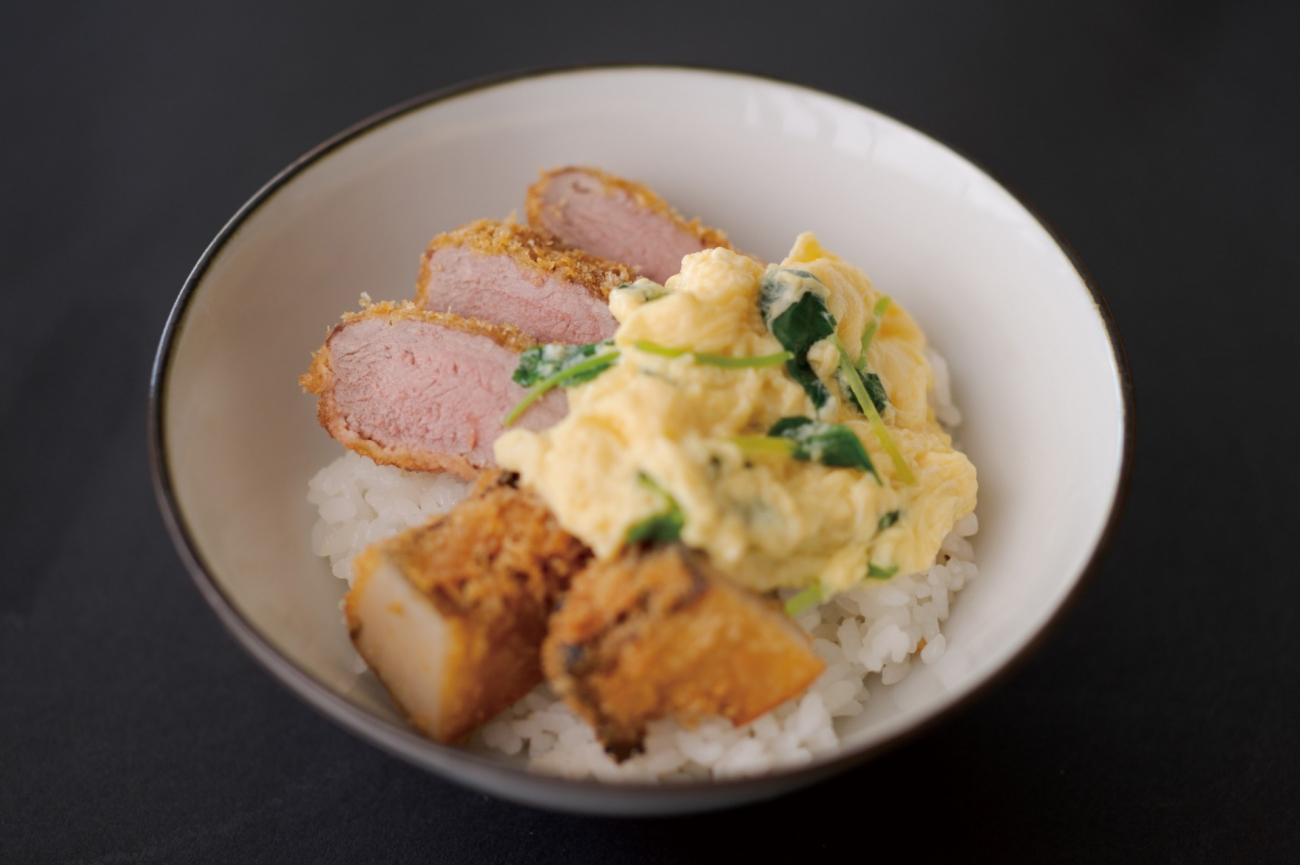
Venison and egg rice
Furthermore, by frying the venison loin, a dish often associated with Western cuisine, we added just the right amount of fat to the lean venison. The slightly sweet and savory flavor of the egg topping complemented it perfectly, so we served it over rice.
Deer and wild boar raised in the forests of Ise-Shima. Enjoy the bounty of life nurtured by nature, prepared with the unique techniques of Traditional Japanese.
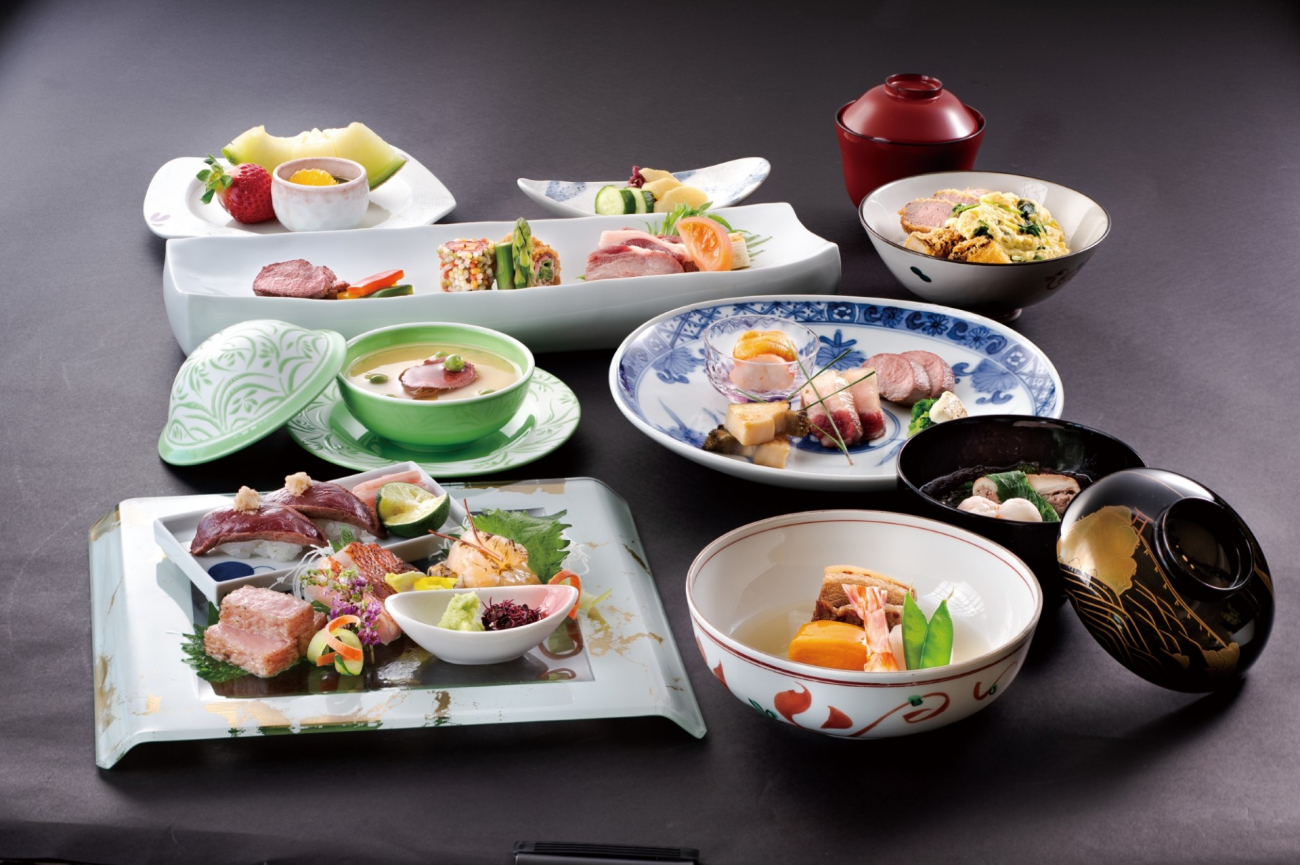
Ise-Shima Kaiseki (Japanese multi-course meal featuring wild game)
<Menu>
- Appetizer: Assortment of three dishes including deep-fried wild boar and venison rolls.
- Bowl: Yoshino style
- Light snack: Venison nigiri sushi
- Preparation: Three types of sashimi grilled over Ise-Shima binchotan charcoal.
- Hot dish: Steamed venison
- Grilled dishes: Grilled wild boar, roasted venison
- Braised dish: Tenderly braised wild boar meat
- Meal: Rice with venison and egg.
- Pickles: Assortment of three kinds
- Final soup: Red miso soup
- Fruit dessert: Assortment of fruits and sweets
- The menu changes monthly.
Ise-Shima Gibier Kaiseki Course: ¥25,100 per person (¥30,371)
Reservations required (by 6:00 PM two days in advance)
*Excluding dates: April 29th to May 6th* (The amount in parentheses includes tax and service charge (10%).)
A spring dish
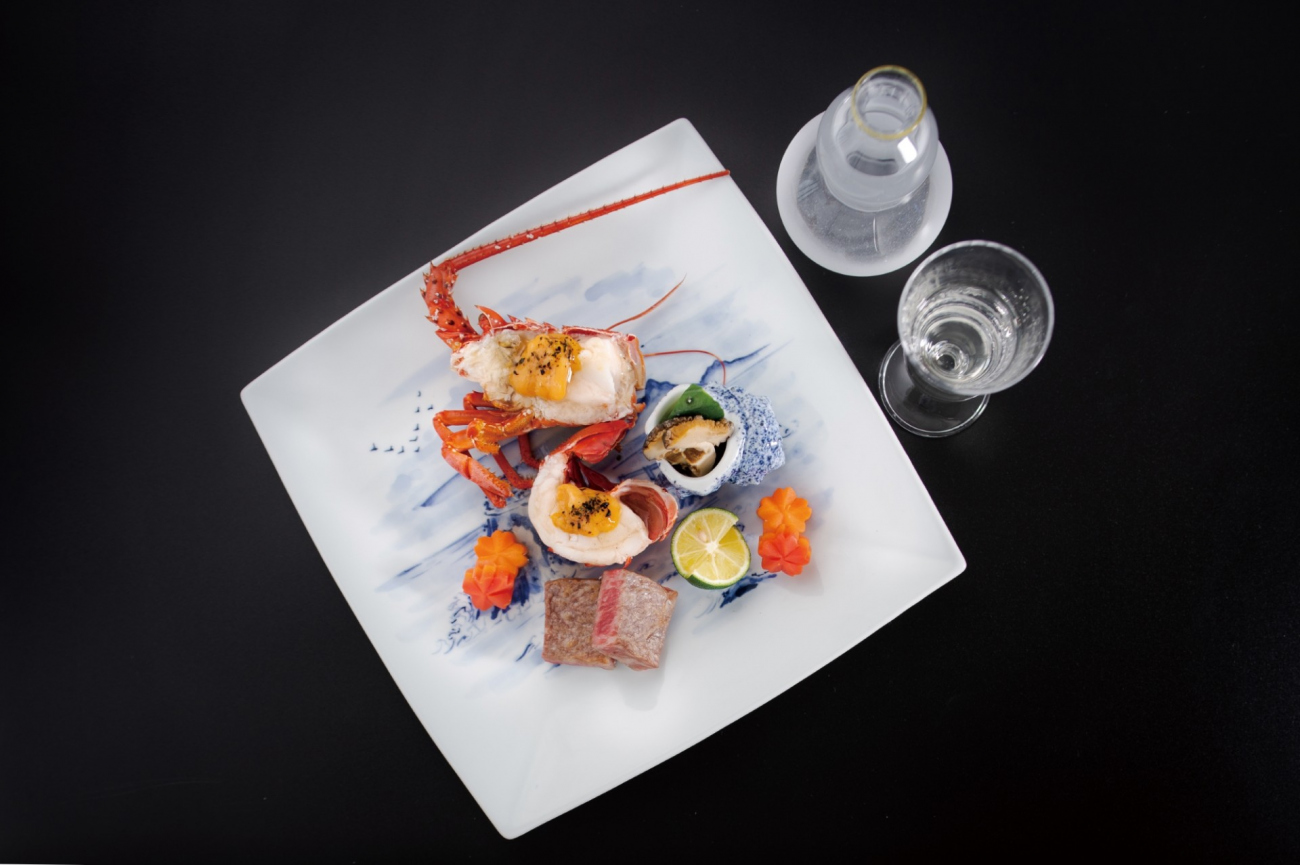
Grilled spiny lobster over binchotan charcoal
The spiny lobster from Shima, whose fishing season lasts until spring, is cooked semi-raw over Ise-Shima binchotan charcoal, leaving the flesh with just the right amount of elasticity and infusing it with the savory flavor of charcoal grilling. The elegant sweetness of the spiny lobster is complemented by the richness of the sea urchin, adding a flavorful accent. A sauce made with dashi broth from Shima bonito flakes is added to give it more depth. The dish is garnished with "seven seaweeds," a powder made from seven types of seaweed harvested in Ise-Shima, to evoke the aroma of the sea.
We hope you'll feel the changing seasons by combining carrots shaped like cherry blossoms and turban shells, which come into season in spring. The Matsusaka beef is grilled over binchotan charcoal, and the tartness of the sudachi citrus enhances the rich flavor of the fat that spreads in your mouth. It's a spring dish that lets you enjoy the sea and countryside of Mie Prefecture.
Available as a single item from March to May: ¥6,734 (¥8,000)
A dish for early summer
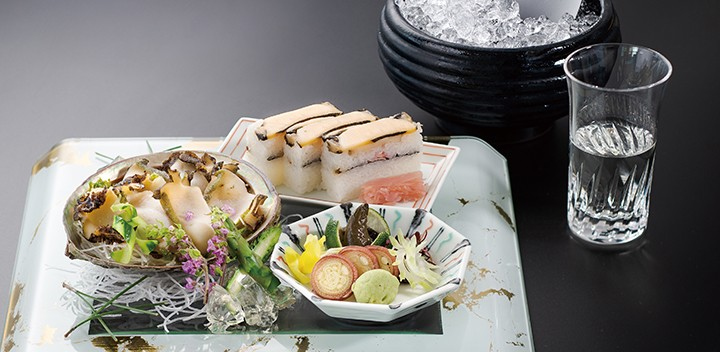
Abalone sashimi and steamed abalone pressed sushi
Enjoy the deliciousness of abalone prepared in two ways.
Enjoy abalone prepared using a cooking method called sake-iri, which utilizes fresh shellfish. A small amount of sake is heated to evaporate the alcohol, then the ingredients are simmered for a few seconds and immediately cooled. During this process, the umami of the sake transforms into sweetness, bringing out the rich flavor of the shellfish. The fresher the abalone, the more tender the texture and the more of the sea aroma remains, resulting in a beautiful wave-like shape. The pressed abalone sushi is made with abalone steamed for three hours in water, sake, and kelp, then cooked in bonito broth and the abalone's soaking liquid. The flavor of the seaweed from Toshi Island placed in between and the aroma of sansho pepper create an elegant taste. It is served with a sweet soy sauce-based sauce made by roasting and simmering fish bones.
Available as a single item from March to May: ¥8,417 (¥10,000)
| Japanese Restaurant “Hamayu” | the BAY SUITES 4F Lunch 11:30 - 14:30 (Entry until 13:00 / Private reservations only) Dinner 17:30 - 22:30 (Last order 20:30) |
|---|---|
| Traditional Japanese executive chef Kyoji Tsukahara | He joined the Hakata Miyako Hotel in 1986. He trained at the Japanese restaurant "Shikitei", and in 1987 at the Miyako Hotel Osaka(now the Sheraton Miyako Hotel Osaka ) Japanese restaurants "Miyako" and "Uemachi". In 2016, he was involved in providing Traditional Japanese cuisine at the Ise-Shima Summit. In 2019, he was appointed Executive Chef of the Traditional Japanese cuisine at the Shima Kanko Hotel . |
Return to Feature Articles List
Shima Kanko Hotel quarterly magazine "Shima Time"
As the seasons change, Shima Kanko Hotel quarterly magazine, "Shima Time," introduces the four seasons of Ise-Shima through the local culture and abundant nature.